
 Contact us


Dividag Accessories
Dividag tie bars, wing nuts, washer plates, tube and cones for tying wall formwork, with mould oil and chamfer former
- 15mm bar, 90kN safe working load
- Bars cut to length
- Complete tie assemblies
- Stocked at all three depots
- Nationwide delivery
A Dividag tie holds the two faces of a wall shutter together against the pressure of wet concrete. The threaded bar passes through the formwork, and a washer plate and wing nut clamp it on each face. On site the bars go by several names, including divi bars, dag bars and divvy bars.
We sell the full tie assembly, along with the plastic tube and cones that let you withdraw the bar after the pour, and the mould oil and chamfer former that go with a wall or column pour.
Typical Applications
- Tying the faces of Frami panel walls
- Manhole shutters and chamber walls
- Walls backed by formwork soldiers
- Retaining walls and basement walls
- Thrust blocks and headwalls
- Column and pier shutters
How a Dividag Tie Works
A tie carries the pressure of the wet concrete, which pushes the two shutter faces apart. Setting one up follows the same order on every pour:
- Cut the tie bar to suit the wall thickness and the formwork each side.
- Cut the plastic tube to the wall thickness and push a cone onto each end.
- Pass the bar through the formwork and the tube, so the tube sleeves the bar through the wall.
- Slide a washer plate over the bar at each face and run a wing nut down onto it.
- Tighten the nuts by hand against the shutter.
After the pour, you back off the wing nuts, withdraw the bar and strike the formwork. The bar, nuts and plates are then ready for the next lift. The tube stays cast in the wall, and the cones pull out to leave a tapered recess at each face, which you fill with mortar or a plug.
Spacing and bar size are a design matter. Concrete pressure depends on the pour rate, the wall height and the mix, so our engineers can calculate tie positions and loads for the shutter you are using.
Tie Components and Formwork Consumables We Supply
Dividag Tie Bar
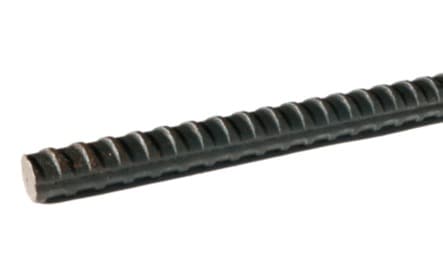
A 15mm high tensile alloy steel bar with a coarse right-hand thread that clears itself of concrete and grit, so a wing nut runs down it without seizing. The bar is 17mm over the thread, carries a 90kN safe working load and fails at 180kN. We supply it in 6m lengths and cut it to length for you.
Dividag Wing Nut
Screws onto the tie bar and clamps the washer plate against the shutter face. The wings let your team tighten and release it by hand, without a spanner. It stands 50mm high and takes a 32mm spanner where a nut has gone tight.
Dividag Pressed Washer Plate
Spreads the wing nut load across the shutter face so the nut does not pull through the ply. It measures 120 × 120 × 10mm with a 20mm hole, and the pressed pattern stiffens the plate against bending.
Plastic Tube
A rigid polyethylene tube, 22mm internal diameter and 2.25mm wall, supplied in 2m lengths. It sleeves the tie bar through the wall so the bar pulls out cleanly after the pour and goes back to work on the next lift.
Plastic Cone
Fits the end of the plastic tube where it meets the shutter face. The cone holds the tube off the face and leaves a tapered recess in the struck concrete, which gives you the cover the drawing calls for and a clean shape to grout up. Ours gives 10mm of cover.
Dividag Tie Bar Connector
Joins two tie bars end to end where a single bar will not reach, on a thick wall or a deep shutter. A centre stop inside the connector holds both bars to the same depth of thread, so each one is equally engaged.
Mould Oil
A release agent you apply to the shutter face before the pour. It stops the concrete bonding to the form, so the panels strike cleanly and leave the concrete face and its arrises undamaged. We sell it in 20 litre containers.
Chamfer Former
An impact-resistant plastic triangular profile that you fix into the internal corners of a shutter to cast a 25mm chamfer on the concrete. A chamfered arris resists chipping in service and takes the sharp edge off a column or beam. It comes in 2.5m lengths.
Dividag Accessories: Common Questions
What is a divi bar?
Is it spelt Dividag or Dywidag?
What is the safe working load of a 15mm Dividag tie bar?
Can Dividag tie bars be reused?
What are plastic cones used for in formwork?
What is the difference between a wing nut and a washer plate in a formwork tie?
What size plastic tube fits a 15mm tie bar?
Buy Dividag Accessories
We offer Dividag ties, nuts, plates, tube, cones and connectors for sale, along with mould oil and chamfer former, with good stock availability and fast lead times. To order, or to have bars cut to a length, contact our nearest depot for current pricing and prompt nationwide delivery.
Tie Assembly
| Item | Size | Material | Weight | Safe Working Load | Ultimate Fail Load |
|---|---|---|---|---|---|
| Tie bar | 15mm dia (17mm over thread) × 6m | High tensile alloy steel | 9 kg | 90 kN | 180 kN |
| Wing nut | 15mm bar, 50mm high, 32mm A/F | Steel | 0.35 kg | Matched to bar | Matched to bar |
| Pressed washer plate | 120 × 120 × 10mm, 20mm hole | Pressed steel | 0.85 kg | Matched to bar | Matched to bar |
| Tie bar connector | 15mm bar, 30 × 105mm | Steel | — | Matched to bar | Matched to bar |
Sleeving and Consumables
| Item | Size | Material | Supplied As |
|---|---|---|---|
| Plastic tube | 22mm internal dia, 2.25mm wall | Polyethylene | 2m lengths |
| Plastic cone | 22mm, 10mm cover | Plastic | Pairs, one each end of the tube |
| Chamfer former | 25mm chamfer, 35.4mm face | Impact resistant plastic | 2.5m lengths |
| Mould oil | 20 litres | Release agent | Container |
The 90kN safe working load is the capacity of the bar itself. The number of ties a shutter needs, and their spacing, depends on the concrete pressure acting on the formwork and belongs in the Temporary Works Design.
Related Products
The formwork these ties hold together, and the equipment that goes with a wall pour

We can help with your next project.
Our team is friendly, knowledgeable and ready to consult. We offer no-obligation site visits, fast delivery and competitive rates. Simply fill in the form and we'll be in touch.
You can also give us a call at any time.