
Lifting Equipment

SEL provides certified site lifting equipment hire and sales across the UK, offering heavy-duty site handling solutions for groundworks, civil engineering, and infrastructure projects. Our fleet features block grabs, crane forks, Grade 8 chain slings, kerb lifters and site skips engineered for telehandlers, excavators, and overhead cranes. All gear is fully tested and dispatched in compliance with LOLER safety standards.

Use cases

  • Handling bricks, blocks, and mortar
  • Road, pavement and landscaping construction
  • Placing kerbs, slabs, and paving
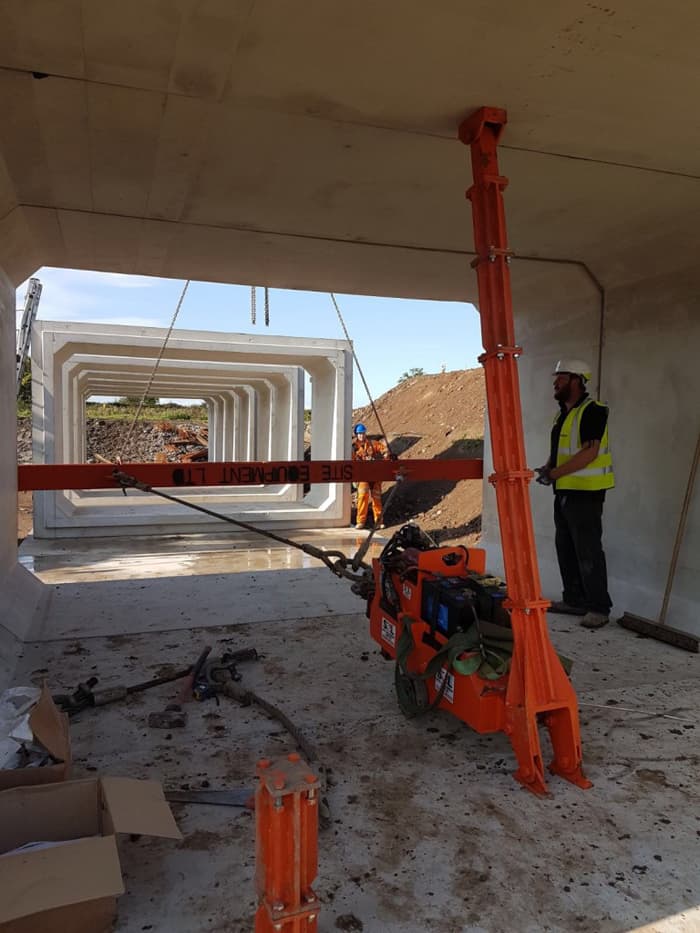
  • Positioning precast concrete elements
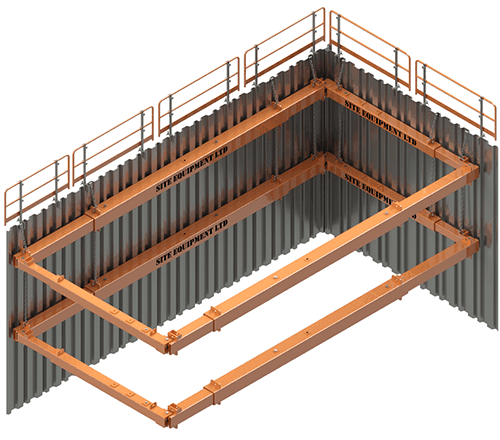
  • Lifting trench shoring and trench boxes
  • Pouring concrete and clearing muck
  • Managing site material distribution
  • Restricted-access and below-ground handling

Our Solutions

Need advice on lifting capacity of machine fitment? Speak to our technical team today.

Common questions

What lifting equipment do I need to lay kerbs?
Kerbs are laid with a kerb grab, used on an excavator or a small crane. The standard kerb grab covers single kerbs of any width, with an SWL of 400kg. Kassel and bus stop kerbs have their lifting points at different heights, so they need the Kassel kerb grab: SWL 900kg, opening width 50mm to 460mm, with an adjustable lifting ring for an even lift on an offset unit. The multi kerb lifter has an SWL of 1250kg, opens from 50mm to 500mm, and can be lifted by machine or on a two-person handle.
What is the difference between a block grab and a crane fork?
A block grab, also called a brick grab, closes rubber jaws onto the sides of the pack and lifts by friction, which suits banded packs of bricks, blocks and paving. A crane fork slides its tines under a pallet instead, so it handles anything already palletised. Forks are usually the better choice for landing materials on a scaffold or slab, and our self-levelling version keeps the pallet flat through the lift. Both should go up with a net or a cage over the load.
Can I use these attachments on a forklift or telehandler?
Yes, these attachments run on a forklift or a telehandler, within the machine's own rated capacity. A forklift adaptor gives you a central lifting point at 2 to 3 tonnes SWL, and the telescopic forklift jib extends from 2.5m to 3.7m for reaching over an obstruction. Hanging a load on a jib moves the load centre forward, so the truck's own capacity falls away as the jib extends. Check the machine's load chart before you plan the lift.
Does hired lifting equipment come with a test certificate?
Yes, anything covered by LOLER leaves our depots with its current test certificate. Grabs, forks, slings and adaptors are lifting accessories under LOLER, which calls for a thorough examination at least every six months. The pre-use checks on site remain the responsibility of the employer using the equipment, as does the lift plan itself.
What does SWL mean on a grab or fork?
SWL stands for Safe Working Load, the heaviest load the attachment is rated to lift in normal use. Modern standards tend to call the same figure the Working Load Limit, or WLL. It is the attachment's own limit and says nothing about the machine underneath it, so the governing figure for any lift is whichever is lower once you have allowed for the weight of the attachment itself.
How much does lifting equipment cost to hire?
Hire is charged per week and depends on which attachments you need and how long they stay on site. Short hires on a single grab are straightforward to price, and if you send us the materials you're handling and the machine you're using, we'll put a list together. Ask us for a quote and we'll usually come back within 24 hours.
Should I use a block grab, crane fork, or chains and slings?
A block grab (brick grab) is best for banded packs of bricks, blocks or pavers. It grips by friction. A crane fork slides under a pallet and is better for palletised loads and landing on scaffolds or slabs. Chains and slings give you the most flexibility for irregular loads or things without built-in lifting eyes, but they need proper rigging skill. For repetitive material lifting, a grab or fork is faster and safer.
When should I use lifting chains instead of a grab or fork?
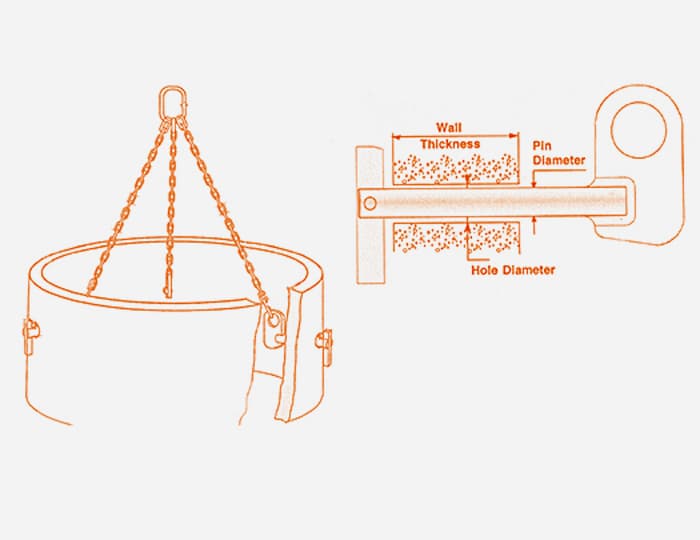
Use chains and slings when the load has cast-in or welded lifting eyes (like trench boxes or precast elements) and you need maximum flexibility in how you rig it. Grabs and forks are more efficient for loose materials (bricks, blocks, palletised goods) because they're designed specifically for that work. Chains are the universal solution when nothing else fits.
What is LOLER and do we need to comply?
LOLER (Lifting Operations and Lifting Equipment Regulations 1998) is UK health and safety law covering all lifting equipment and operations. It applies to anyone who owns, operates, or controls lifting equipment, including businesses that hire it out or use hired equipment. All lifting equipment must be safe, regularly examined by a competent person, and lifting operations must be properly planned and supervised. Non-compliance can result in enforcement action and penalties.
How often must lifting equipment be examined under LOLER?
Lifting accessories (grabs, slings, forks, adaptors) require thorough examination every six months. Other lifting equipment (skips, cages) requires examination every 12 months, unless an examination scheme specifies otherwise. All equipment leaving our depots carries a current examination certificate with the date of the next examination noted.
Who is responsible for pre-use checks and lift plans during hire?
We ensure equipment is safe at the point of hire and provide current examination certificates. Your team is responsible for pre-use checks before each lift, creating a lift plan that accounts for ground conditions, weather, nearby structures and personnel, and following manufacturer guidance. These site-level responsibilities remain with the employer using the equipment, even when hiring. If you have questions about LOLER compliance, safe working loads, or regulations, contact our experts.

We can help with your next project.

Our team is friendly, knowledgeable and ready to consult. We offer complimentary site visits, fast delivery and competitive rates. Simply fill in the form and we'll be in touch.

You can also give us a call at any time.