 Contact us

Pipe Handling and Utilities
SEL hires and sells pipe handling equipment for safely transporting, positioning and installing pipes, culverts, manhole rings and other drainage components. Our range includes the RZE16 and Mity Mite culvert pullers, pipe caddies and lifters, manhole and gully lifting equipment, alongside pipe testing equipment such as stoppers, bungs and pumps.
Use cases
- Pipe transport, positioning and installation
- Concrete, clay, plastic and steel pipe handling
- Lifting concrete pipes and large culverts
- Manhole ring, chamber and cover placement
- Drainage, sewer and water-main construction
- Utility and civil-engineering works
Our Solutions
Need pipe handling equipment in a hurry? Contact us today today for a rapid quote.
Which Pipe Handling Solution Do I Need?
The right equipment depends on whether you are transporting pipes along site, lowering them into excavations, or jointing culverts together.
| Task | Recommended Solution |
|---|---|
| Jointing concrete pipes and box culverts (up to 16t) | RZE16 Culvert Puller |
| Heavy-duty culvert jointing (up to 30t) | Mity Mite Culvert Puller |
| Offloading, moving and lowering pipes into an excavation | Pipe Caddies |
| Lifting precast manhole rings (self-clamping) | Manhole Ring Lifters |
| Lifting precast manhole rings with chain slings | Manhole Ring Lifting Pins |
| Lifting gully pots and frames | Gully and Manhole Clamps |
These are typical applications. Contact us for advice on matching pipe dimensions and safe working loads to your project.
Related products
We also supply pipe stoppers, inflation kits, testing equipment alongside a broader range of lifting equipment and temporary groundworks kit.
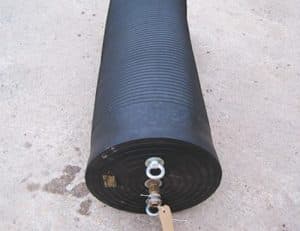
Pipe Stoppers
Inflatable and expanding stoppers for sealing and testing pipes
Explore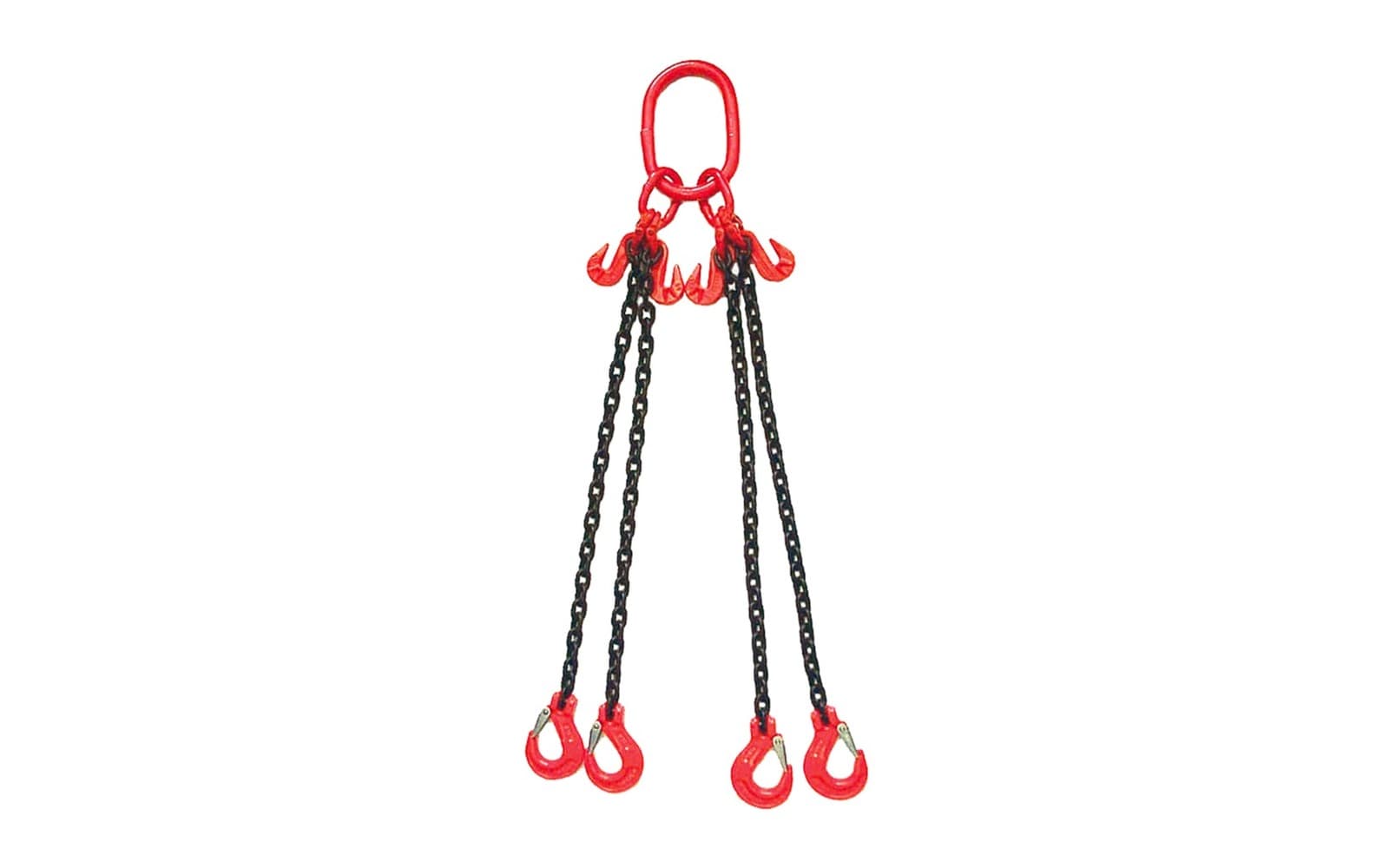
Lifting Equipment
Chains and rigging for securing loads during pipe work
Explore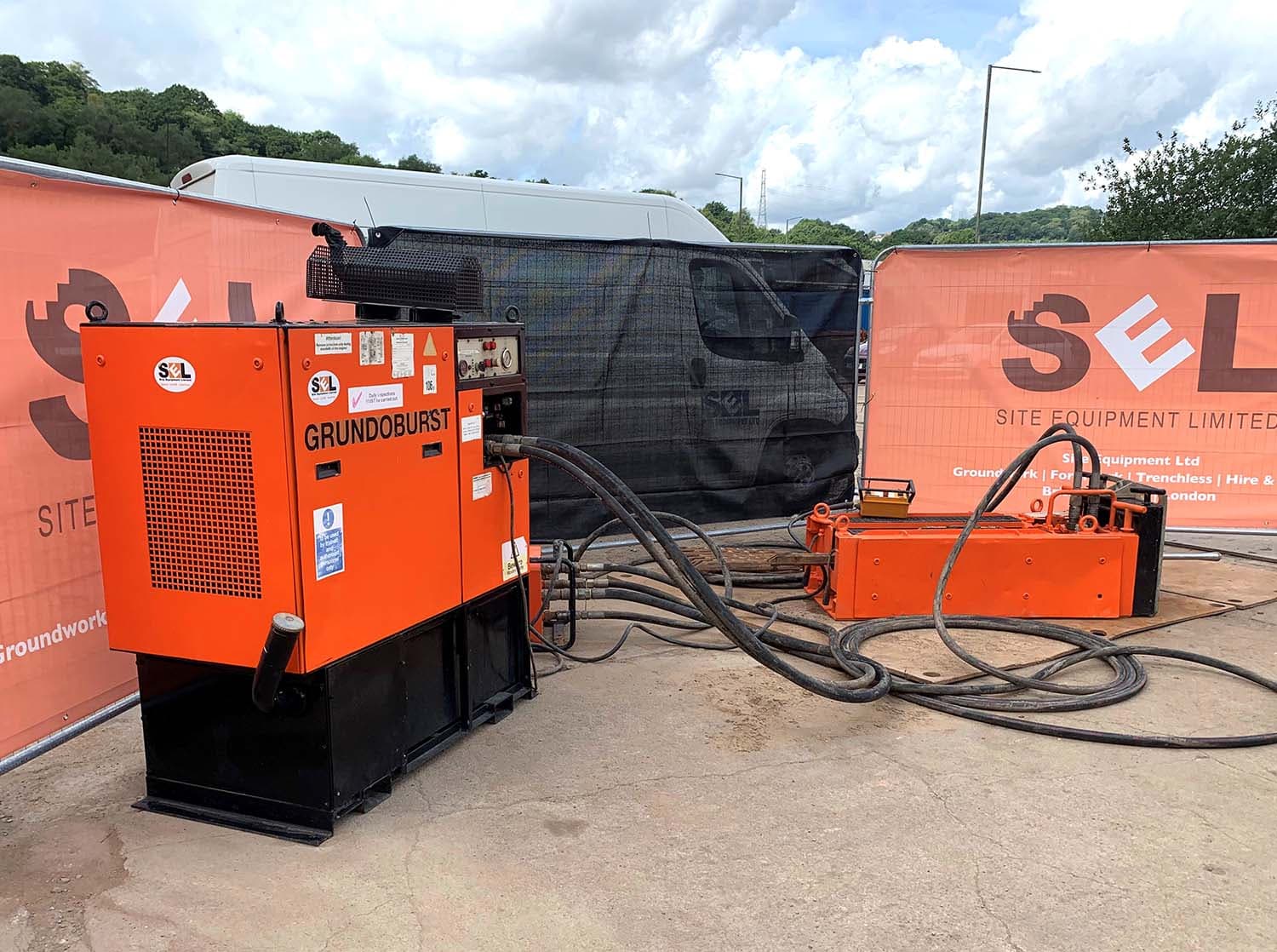
Trenchless Technology
Pipe bursting and renewal without excavation, for pipe replacement work
Explore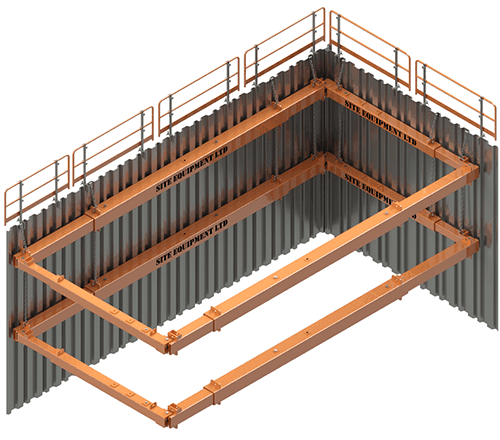
Temporary Groundworks
Trench support and shoring systems for safe culvert and pipe installation
Explore
Common questions
How do I ensure pipe lifting is done safely?
Which culvert puller do I need, the RZE16 or the Mity Mite?
Do I need manhole ring lifters or lifting pins?
Can I use standard chains instead of specialist pipe handling equipment?
What equipment is needed for large-diameter drainage and culvert installations?
What is involved in hiring pipe handling equipment from SEL?
We can help with your next project.
Our team is friendly, knowledgeable and ready to consult. We offer no-obligation site visits, fast delivery and competitive rates. Simply fill in the form and we'll be in touch.
You can also give us a call at any time.