
 Contact us


Trench Boxes / Trench Shields
SEL sells and hires trench boxes, trench shields and manhole boxes to support excavations across the UK. Each box is a pair of steel or reinforced-plastic panels held apart by struts, assembled into a complete unit and rated to a specific earth pressure capacity. Our range runs from lightweight utility boxes for shallow urban trenches to heavy-duty systems for deep drainage, sewer and culvert work, with end closure panels, drag boxes and in-house Temporary Works Design also available.
Use cases
- Utility, telecoms and service trench excavations
- Drainage, sewer and culvert pipe laying
- Manhole ring and pumping station installation
- Large-diameter pipe and tank installation needing extra clearance
- Continuous, linear pipeline runs in stable ground
- Confined urban sites with restricted lifting capacity
- Deep excavations in unstable or water-bearing ground
- Junction box and small chamber repairs
Our Solutions
Not sure which trench box you need? Speak to an SEL expert and we'll talk it through.
Our Expertise
Here at Site Equipment Limited we've been kitting out contractors with trench shoring systems for over 50 years. Over those decades we've designed and tested trench boxes in almost every situation imaginable. Our in-house civil and structural engineers are expert in dealing with awkward ground conditions, earth pressures, surface water and more, and can provide full Temporary Works Design to BS 5975 for every box in our range. In addition, all our trench boxes are designed to BS EN 13331 standard, are regularly inspected, and available with good lead times nationwide.Need a calculation for unusual ground conditions or earth pressures? Our Temporary Works Design team can specify the right system for your specific job.
Which Trench Box Do I Need?
Our trench boxes range from ultra-lightweight and hand-assembled boxes to heavy-duty systems for deep, unstable ground. But which one is right for your job?
| Excavation or job | Trench box system | Installation method |
|---|---|---|
| Shallow utility trench, mini-excavator only | Ultra Lite Utility Box | Dropped into place as one assembled unit |
| Deep trench in a confined footprint | Mini Trench Box | Dig and push |
| Shallow to medium utility or drainage trench | Lightweight Trench Box | Lifted into a pre-excavated trench |
| Deep drainage, sewer or utility trench | Standard Trench Box System | Dig and push |
| Large-diameter pipe or culvert needing extra clearance | Hi-Clear Box System | Lowered in and built up with top boxes |
| Manhole ring or small pumping chamber | Lightweight Manhole Box System | Dig and push |
| Deep manhole or large precast chamber | Standard Manhole Box System | Dig and push |
| Continuous pipe run in stable ground | Lightweight Drag Box | Excavate and drag |
| Long, high-production pipeline run | Super Drag Boxes | Excavate and drag |
The right system also depends on your exact ground conditions and depth. Contact our team and we'll give you a free, fast recommendation.
Complete the system
Our boxes work alongside end closure panels that seal the open ends of the box, edge protection that keeps the top of the excavation safe, and the chain slings used to lift them into place.
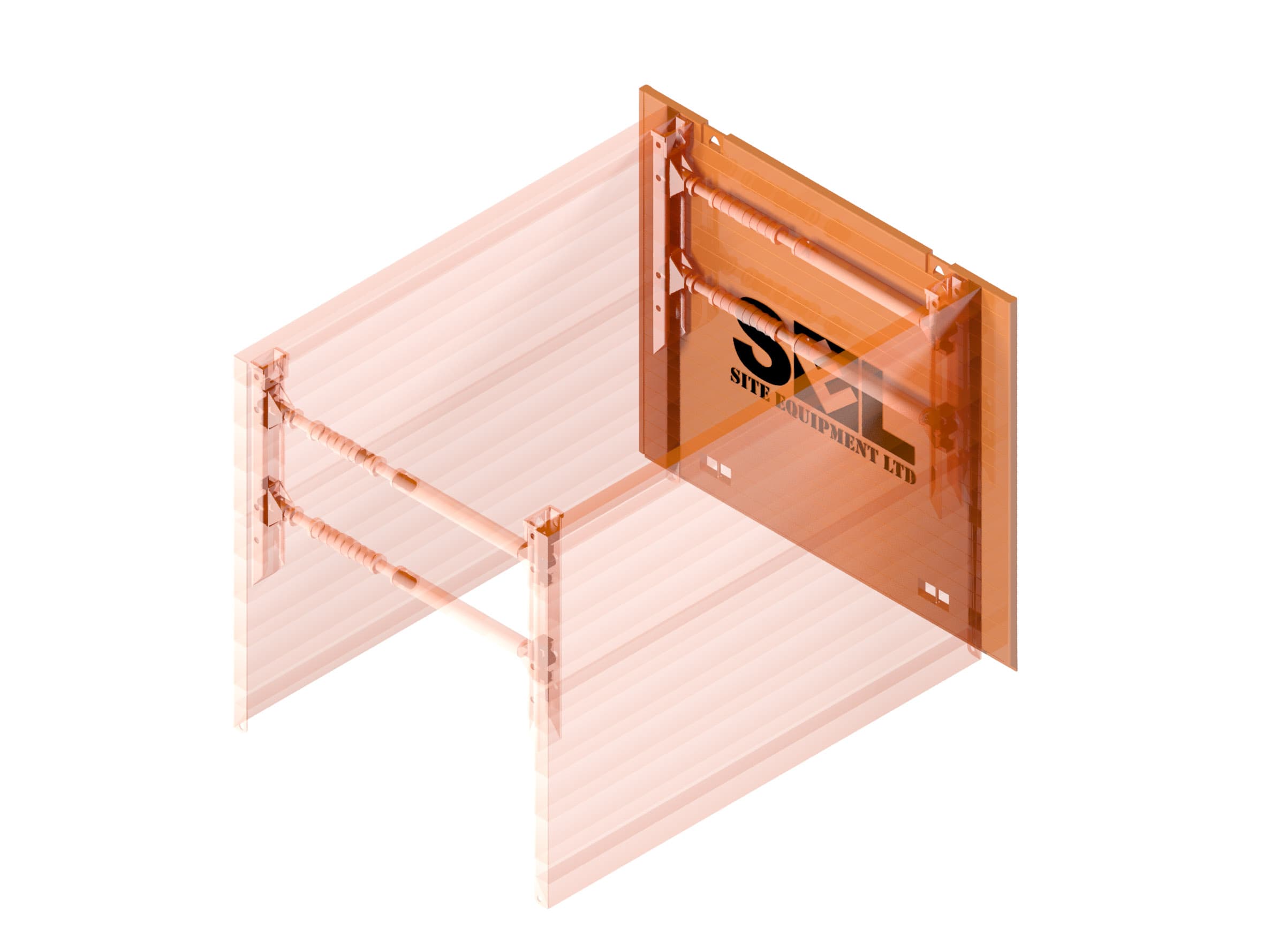
End Closure Panels
Steel panels that seal the open ends of a trench box against ground movement
View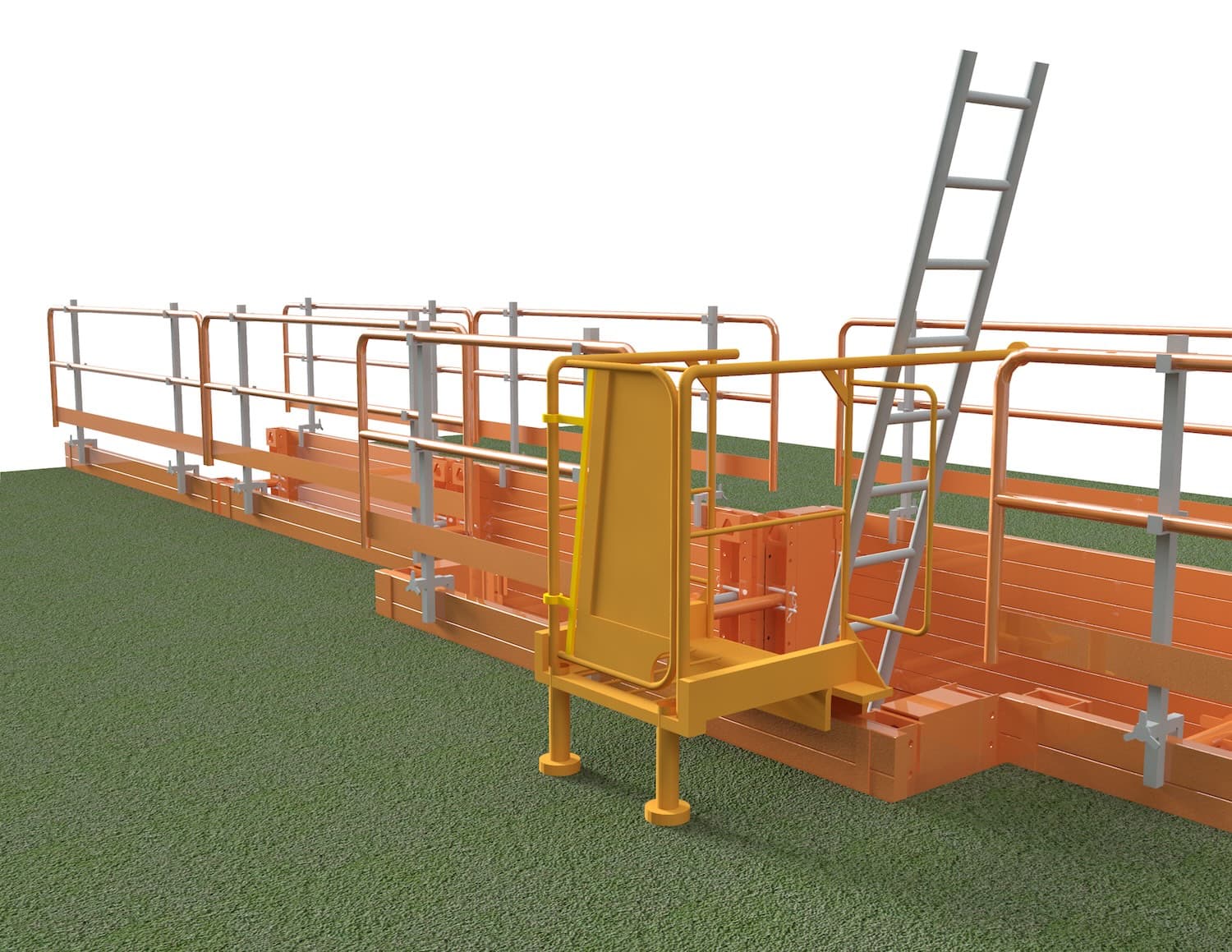
Edge Protection and Access
Guardrails and ladder access that keep the top of the excavation safe
View
Temporary Works Design
Our engineers provide bespoke excavation and trench support designs to code
View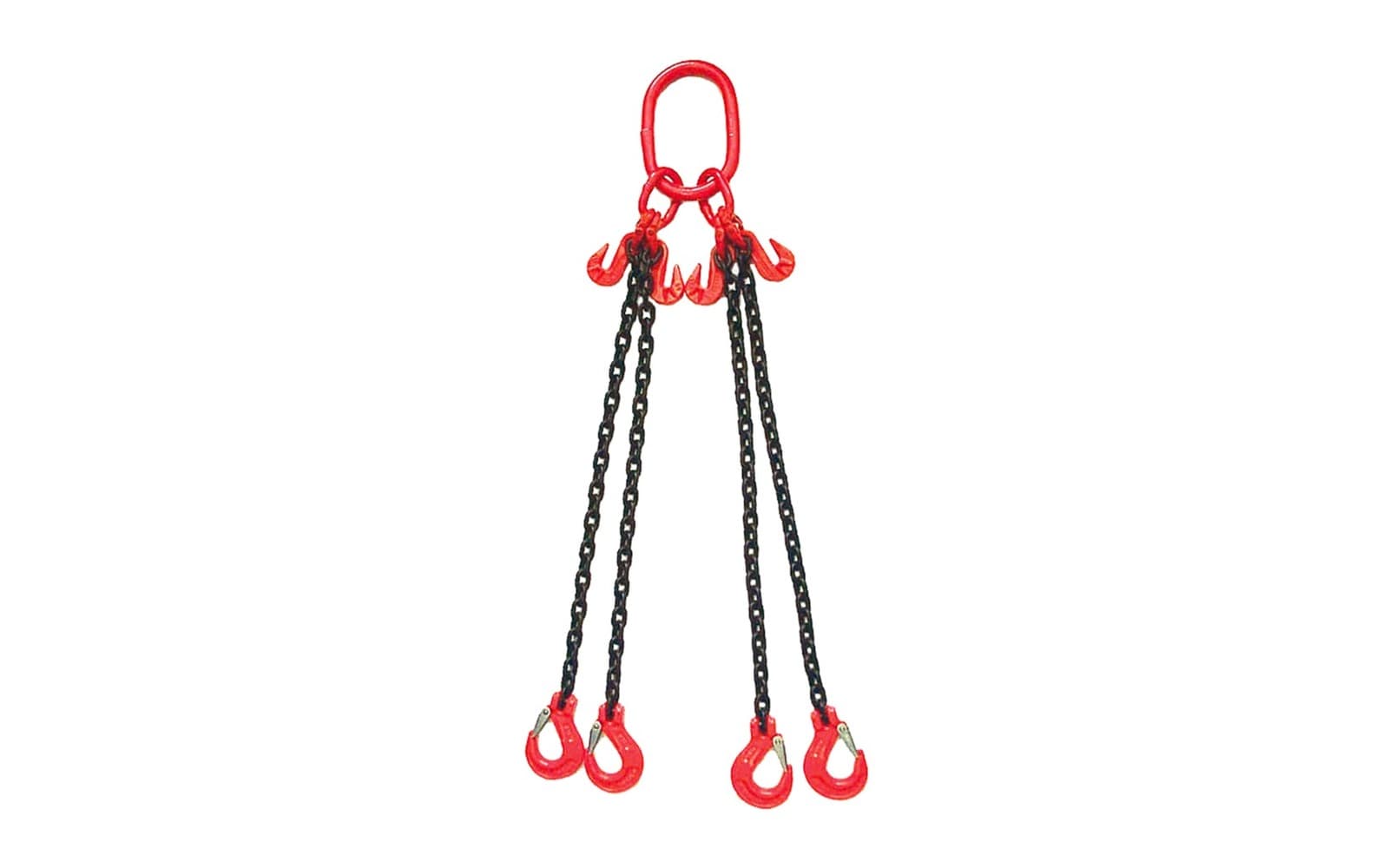
4-leg Chain Slings
Grade 8 chain slings for lifting trench boxes and plates cleanly, one hook per corner
View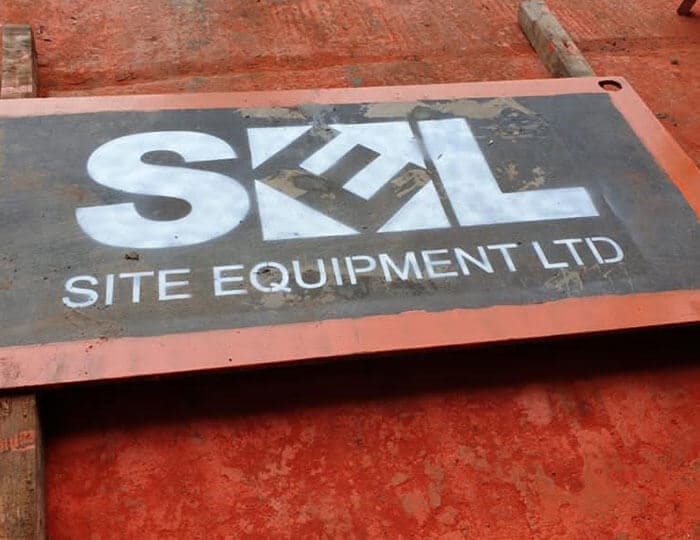
Steel Road Plates
Heavy-duty steel road plates for bridging open trenches and maintaining site access
View
Common Questions
What is a trench box?
How is a trench box installed?
What is the difference between a trench box and a manhole box?
Which trench box suits a typical drainage or utility trench?
When should I use a drag box instead of a static trench box?
Unstable or water-bearing ground calls for a static trench box, which you dig and push down incrementally so the trench walls stay supported throughout. A live service crossing the line typically rules out a solid-sided box such as a drag box; a system that lets you place sheets individually around the service is usually the safer choice there. Site access plays a part too: a smaller excavator with limited lifting capacity points towards one of the lighter static boxes in the range, while a drag box needs a machine capable of pulling it forward through the trench.
Which trench box gives the most clearance for large pipes?
Do I need edge protection as well as a trench box?
What standard are SEL's trench boxes designed to?
How can I ensure safe access to an excavation that uses a trench box?
Trench Boxes with SEL
Consultation
Tell us about the excavation, the ground conditions and the depth required, and we'll recommend the right trench box.
Design*
Where ground conditions need it, our engineers provide a Temporary Works Design to BS 5975, verifying the box is correctly specified.
*Already got a design, or don't need one? We are happy to supply kit only.

We can help with your next project.
Our team is friendly, knowledgeable and ready to consult. We offer no-obligation site visits, fast delivery and competitive rates. Simply fill in the form and we'll be in touch.
You can also give us a call at any time.