 Contact us


Forks & Forklift Attachments
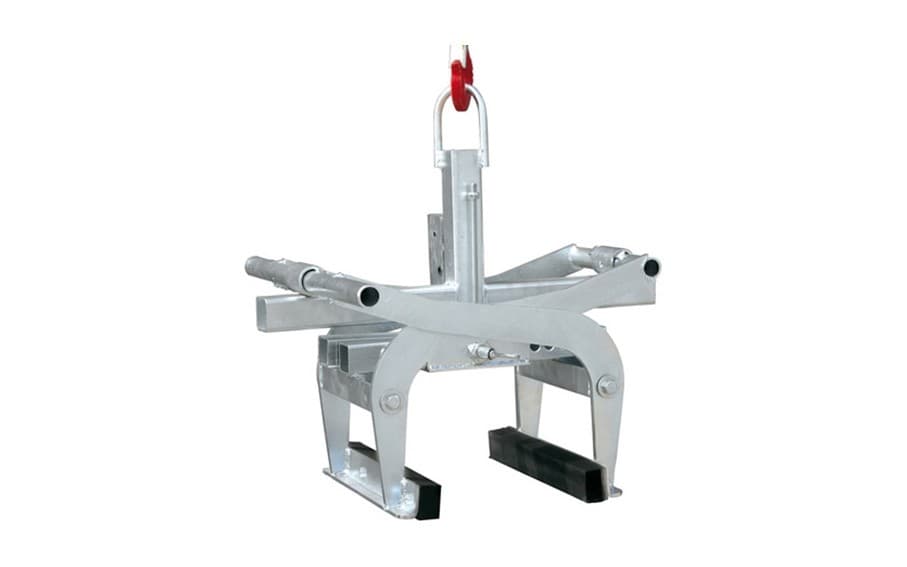
Self-levelling and caged crane forks, forklift adaptors, and telescopic forklift jibs for hoisting palletised building materials overhead or converting site telehandlers and forklifts into mobile cranes.
Use cases
- Hoisting palletised bricks and blocks
- Landing materials onto scaffold decks
- Offloading flatbed delivery vehicles
- Slinging plant from telehandler forks
- Reaching loads across open trenches
- Suspending mechanical grabs from plant
Our Solutions
Not sure which lifting attachment suits your machine or site setup? Speak to an SEL expert for technical guidance.
Which Lifting Method Do I Need?
Choosing between crane forks and forklift attachments depends on whether materials are moving vertically via crane or across the ground with outreach via telehandler or forklift.
| Solution | Host Machine / Mounting | Best For / Primary Use |
|---|---|---|
| Self-Levelling Crane Forks | Tower crane, mobile crane, or lorry loader hook | Lifting palletised bricks, blocks, and roof tiles to upper floors or scaffold bays with safety netting |
| Caged Crane Fork | Crane hook or excavator via drop chain | High-risk sites requiring full mechanical containment of masonry without handling loose safety nets |
| Forklift Adaptors | Forklift or telehandler tines (clamped) | Converting standard forks into a central swivel hook for slinging site machinery, pumps, and grabs |
| Telescopic Forklift Jib | Forklift or telehandler tines (heel-pinned) | Hoisting and reaching suspended loads across trenches, scaffold gantries, or behind obstacles |
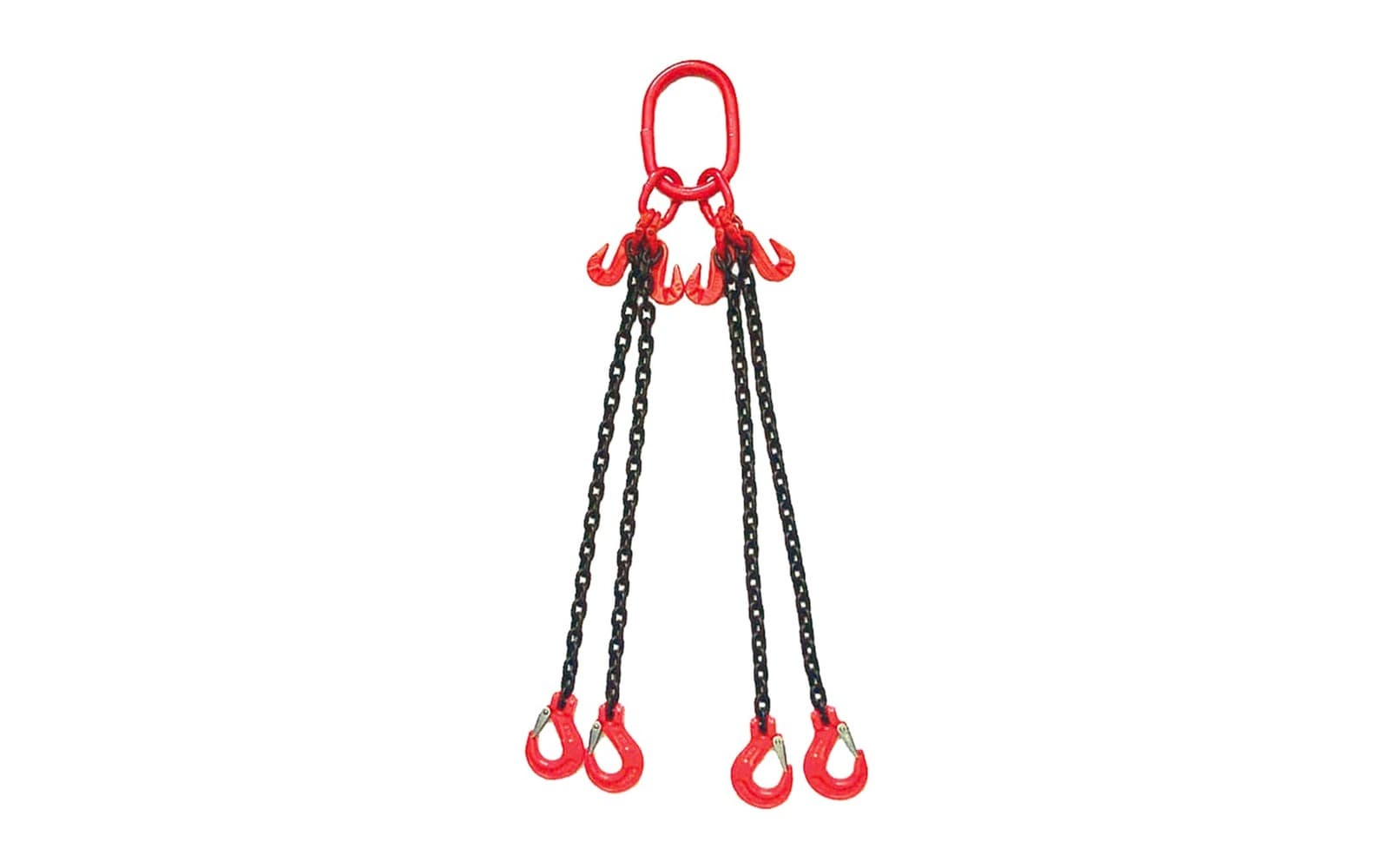
Machine lifting capacity depends on load centres and attachment geometry. Contact our team for advice on loading and machine compatibility.
Complete The Job
Frequently Asked Questions
What is the difference between crane forks and forklift attachments?
When is a caged crane fork used instead of self-levelling crane forks?
How does fitting a forklift jib or adaptor change forklift lifting operations?
What secondary safety containment is required when lifting pallets by crane?
Can forklift adaptors and telescopic jibs be mounted on telehandlers?
What LOLER certification is provided with hired crane forks and forklift attachments?
We can help with your next project.
Our team is friendly, knowledgeable and ready to consult. We offer no-obligation site visits, fast delivery and competitive rates. Simply fill in the form and we'll be in touch.
You can also give us a call at any time.