 Contact us

Excavation Bracing Systems
SEL supplies a comprehensive range of hydraulic excavation bracing systems for hire across the UK. Designed to safely support trench walls and groundworks, our equipment ranges from lightweight aluminium waler frames for utility trenches to heavy-duty double-acting modular systems for large basement excavations and cofferdams.
Use cases
- Utility and service trenches
- Manholes and pumping stations
- Deep basement excavations
- Large cofferdams and attenuation tanks
- Working around live underground services
- Safe support of deep, wide-span excavations
Our Solutions
Not sure which system is right for your ground conditions? Speak to an SEL expert and we'll help you specify the exact bracing required.
Our Expertise
Whether you are a local groundwork contractor tackling a tricky manhole or a civil engineering firm managing a deep basement excavation, safety is paramount. With over 50 years of experience, Site Equipment Ltd provides more than just equipment hire. Our in-house engineering team offers full Temporary Works Design in accordance with BS 5975. We assess soil conditions, ground water levels, and site constraints to provide bespoke calculations and drawings, ensuring your bracing system is perfectly configured to keep your team safe and your project compliant.Our engineers can design a safe shoring scheme however awkward the job. Get in touch today.
Which Bracing System Do I Need?
Choosing the right hydraulic bracing depends on the scale of your excavation and the anticipated ground loads. Here is a quick guide to our systems.
| System | Clear Span / Range | Example Applications | Key Advantage |
|---|---|---|---|
| Waler Frames | 1.5m – 5.0m | Utility trenches, live services, city centre excavations | Lightweight aluminium construction allows installation by hand |
| Single Acting Brace | 1.8m – 2.7m | Small manholes, utility trenches, localised drainage repairs | Simple pin-and-joint assembly for rapid deployment by small excavators |
| Double Acting Brace | 2.0m – 7.0m | Manholes, pumping chambers, small attenuation tanks | Powered hydraulic retraction eliminates mechanical extraction forces |
| H-Series | 3.0m – 11.0m | Large shafts, deep tanks, major manhole construction | Heavy-duty, telescopic legs support large spans |
| Medium & Heavy Duty Modular Systems | 2.7m – 21.5m | Large cofferdams, attenuation tanks, deep basements | Pre-cambered beams maximize clear opening for dropping in structures |
The exact equipment needed will depend on the excavation depth, soil type, and required working space. Contact our team and we'll give you a free, fast recommendation.
Complete The Job
Excavation bracing frames work in tandem with other critical temporary works equipment to create a safe, fully supported environment.
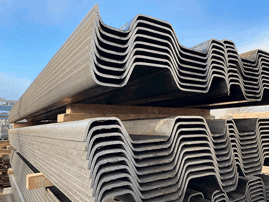
Trench Sheets
Interlocking and overlapping steel sheets that retain the soil face behind the bracing frame
Explore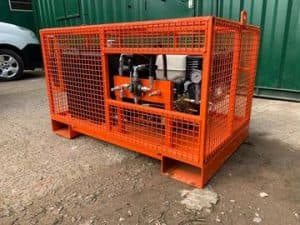
Manual And Powered Hydraulic Pumps
Hand and motorized pumps required to safely tension the bracing struts to the correct load
Explore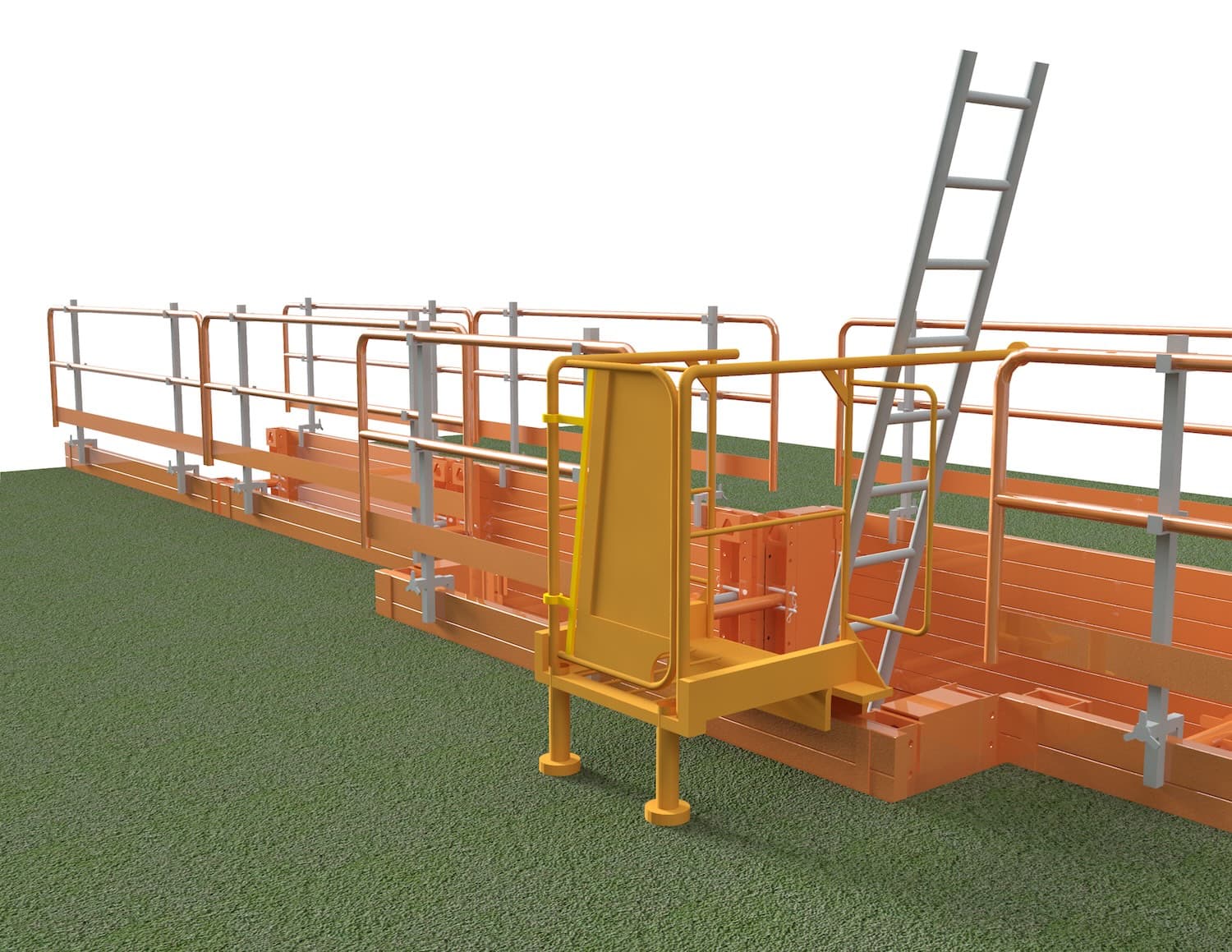
Edge Protection and Access
Guardrails and ladder access systems that keep the top of the excavation safe and compliant
Explore
Temporary Works Design
Bespoke design services to ensure your excavation support meets BS 5975 safety standards
Explore
Common Questions
What is a hydraulic excavation bracing system?
What is the difference between single-acting and double-acting hydraulic bracing?
Do I need a temporary works design for excavation bracing?
How do I calculate clear internal working space inside a bracing frame?
What safety equipment is required alongside trench bracing?
How are hydraulic waler frames installed in a trench?
How wide can a braced cofferdam span?
Hire excavation bracing with SEL
Consultation
Get in touch with our team. We'll discuss your ground conditions, excavation depth, and specific equipment needs.
Design*
Our engineers can provide a full Temporary Works Design and a competitive, no-obligation quote for the required shoring.
Delivery
With depots across the UK, we ensure rapid, reliable delivery of bracing equipment directly to your site.
*If you're planning to design the solution yourself, we are happy to supply kit only.
We can help with your next project.
Our team is friendly, knowledgeable and ready to consult. We offer no-obligation site visits, fast delivery and competitive rates. Simply fill in the form and we'll be in touch.
You can also give us a call at any time.